Autism Spectrum Disorder (ASD) is often misunderstood, leaving many families searching for effective therapies that can truly make a difference. Applied Behavior Analysis (ABA) therapy has emerged as one of the most effective, research-backed treatments for children with autism. But beyond the clinical definition, ABA therapy plays a significant role in transforming daily life — from communication and social interactions to school readiness and independence. In this article, we’ll explore how ABA therapy impacts daily life for children with autism, providing hope, structure, and measurable progress.
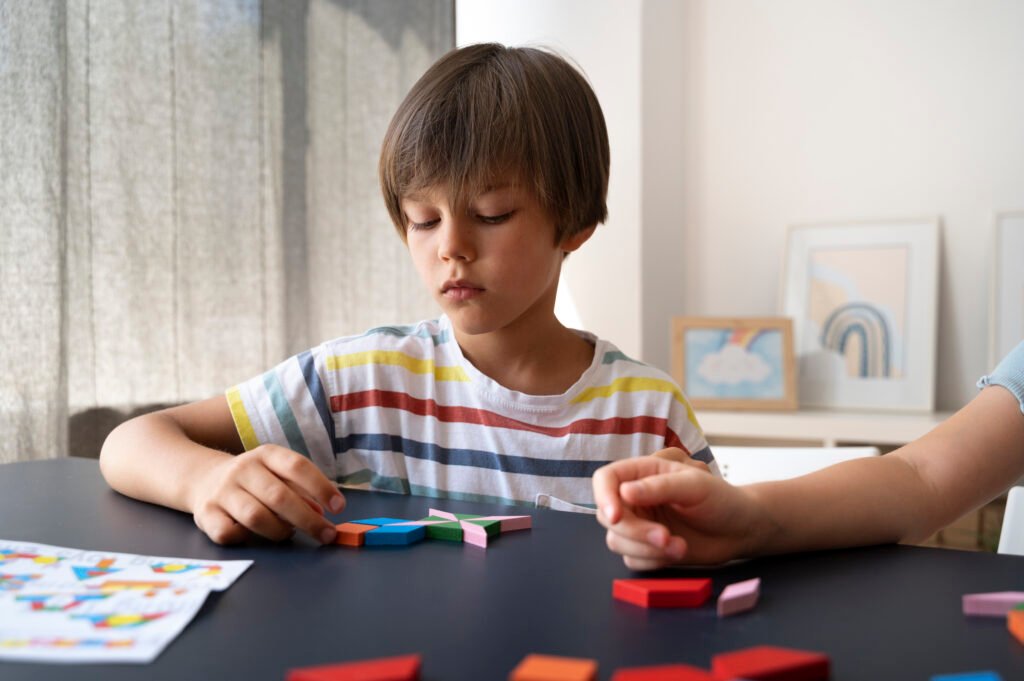

ABA therapy is a scientifically validated approach that focuses on behavior modification. It works by breaking down complex skills into smaller, manageable steps and reinforcing positive behaviors. For children with autism, ABA therapy can address challenges in:
Communication and language skills
Social interaction
Emotional regulation
Academic readiness
Daily living skills
With individualized programs, ABA therapy adapts to each child’s unique needs, making it an effective tool for long-term growth.
Many children with autism struggle with verbal and nonverbal communication. ABA therapy helps bridge this gap by teaching skills such as:
Requesting needs and wants (using words, gestures, or devices)
Improving eye contact and body language
Developing conversational skills
For example, a child who previously struggled to express hunger might learn to point to a picture card or say “I want food.” This small but powerful change enhances independence and reduces frustration in daily routines.
Social challenges are often at the core of autism. Through ABA therapy, children learn how to:
Initiate play with peers
Share and take turns
Understand social cues
Develop friendships
These skills extend beyond therapy sessions, allowing children to enjoy meaningful relationships at school, playgrounds, and within family gatherings.
Daily routines such as brushing teeth, dressing, or following bedtime rituals can be overwhelming for children with autism. ABA therapy simplifies these routines into structured steps, helping children build confidence and consistency. Over time, these skills foster independence and reduce parental stress.
ABA therapy also prepares children for structured learning environments. Therapists collaborate with schools to:
Teach attention and focus skills
Enhance problem-solving abilities
Improve classroom behavior (sitting, listening, raising hands)
Develop academic basics (letters, numbers, reading)
This preparation gives children the tools they need to thrive in inclusive classrooms and beyond.
ABA therapy addresses challenging behaviors by identifying their triggers and teaching healthier alternatives. Children learn coping strategies for situations such as frustration, transitions, or sensory overload. As a result, tantrums decrease, and children gain the ability to self-regulate emotions.
A key strength of ABA therapy is family participation. Parents are trained to reinforce therapy strategies at home, making progress more consistent. By learning how to respond effectively to their child’s behaviors, families experience a more harmonious home environment.
The transformation extends beyond childhood. With early intervention and consistent therapy, many children develop essential life skills that carry into adulthood:
Greater independence in self-care
Improved employment opportunities later in life
Stronger social relationships
Enhanced quality of life for both the child and the family
ABA therapy is more than a treatment plan—it’s a pathway to independence, confidence, and a brighter future. By focusing on communication, social skills, daily routines, and emotional regulation, ABA therapy transforms the daily lives of children with autism and their families.
For parents seeking hope and tangible progress, ABA therapy offers proven solutions that can change not only how a child experiences the world, but also how the world embraces the child.